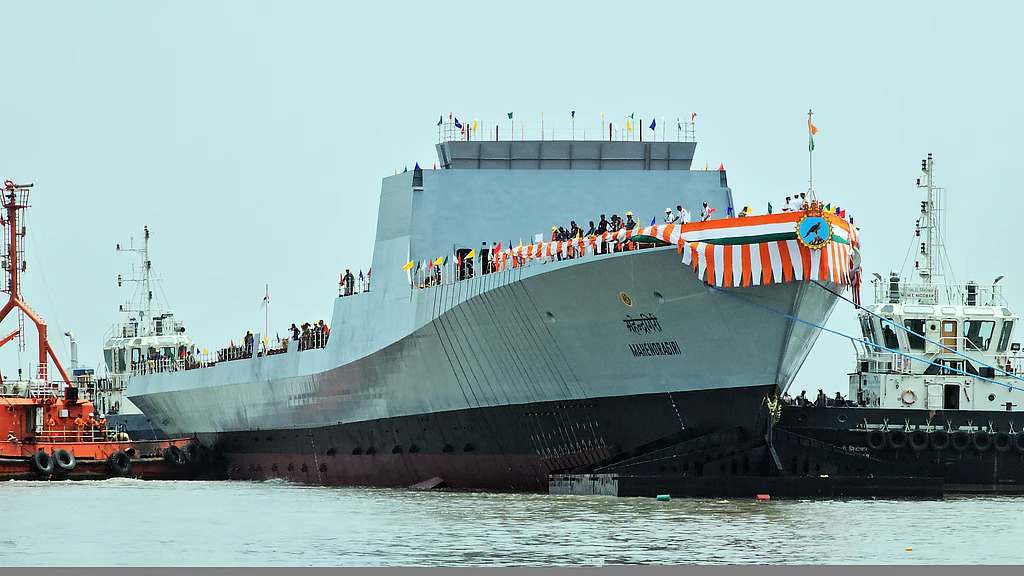
The commissioning of INS Mahendragiri on July 11 marks a watershed moment for the Indian Navy. As the seventh and final Project 17A Nilgiri-class stealth guided-missile frigate, this 6,670-tonne behemoth represents the growth of indigenous naval engineering.
Built by Mazagon Dock Shipbuilders Limited (MDL) in Mumbai, INS Mahendragiri is a testament to India’s growing self-reliance in defense technology, boasting over 75 percent indigenous content [1]. Its arrival is not merely a triumph of domestic manufacturing; it is a strategic necessity.
With the Indian Ocean increasingly contested by an expansionist China and the critical Strait of Hormuz simmering with conflict, this vessel enters service at a time when India’s maritime security has become vital for the nation to retain its position as respected naval power in the Indian Ocean.
Anatomy of a Stealth Predator
INS Mahendragiri is a significant upgrade over the preceding Shivalik-class frigates, incorporating advanced stealth features, enhanced automation, and a formidable weapons package designed to dominate across surface, air, and sub-surface domains.
The frigate’s stealth capabilities are achieved through careful shaping of its superstructure, the use of radar-absorbent materials, and a low acoustic signature, making it exceedingly difficult for enemy sensors to detect [2]. This allows the vessel to operate closer to hostile shores and launch surprise attacks with devastating effect.
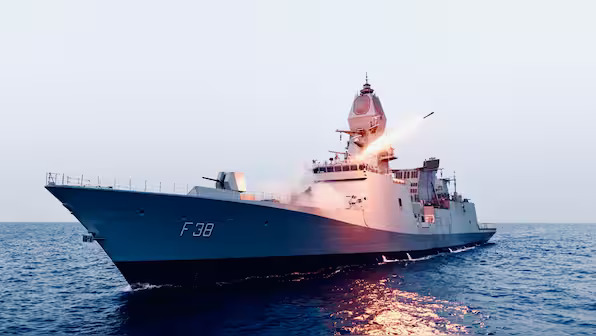
At the heart of the vessel’s offensive capability is its formidable arsenal. The ship is armed with eight BrahMos supersonic cruise missiles, capable of striking targets at ranges exceeding 400 kilometers with pinpoint accuracy [3]. For air defense, it relies on a 32-cell Vertical Launch System (VLS) housing Barak-8 surface-to-air missiles, providing a robust shield against incoming aircraft and anti-ship missiles [4].
The vessel’s defensive suite is further augmented by two AK-630 close-in weapon systems (CIWS) for last-ditch protection against incoming threats [5]. For anti-submarine warfare, INS Mahendragiri is equipped with advanced indigenous sonar systems and torpedo launchers, enabling it to hunt and neutralize hostile submarines lurking in the depths [6].
Global Naval Hierarchy
The induction of INS Mahendragiri is part of a broader, ambitious modernization drive aimed at transforming the Indian Navy into a formidable blue-water force. The Navy currently operates a fleet of over 130 vessels and has set a target of expanding to 175 ships in the coming years [7]. This expansion is critical as India seeks to assert its influence and protect its interests in the Indo-Pacific region.
In the global naval hierarchy, the Indian Navy consistently ranks among the top ten most powerful maritime forces. According to the 2026 Global Naval Power Index, the United States maintains its undisputed supremacy with a power score of 100.0, followed closely by China at 76.1 and Russia at 63.4 [8]. India currently holds the fifth position, trailing Indonesia but ahead of traditional naval powers like the United Kingdom and France [9].
While India’s ranking is impressive, the rapid expansion of the People’s Liberation Army Navy (PLAN) remains a significant concern for New Delhi. China now boasts the world’s largest navy by vessel numbers and is aggressively expanding its footprint in the Indian Ocean [10].
| Specification | Details |
| Class | Project 17A (Nilgiri-class) |
| Displacement | 6,670 tonnes |
| Length | 149 metres |
| Top Speed | 28+ knots |
| Propulsion | Combined Diesel or Gas (CODOG) |
| Crew Capacity | 225 personnel |
| Primary Armament | 8x BrahMos cruise missiles, 32x Barak-8 SAMs |
| Indigenous Content | >75% |
Dragon in the Indian Ocean
China’s strategic encirclement of India, often referred to as the “String of Pearls,” involves the development of dual-use port facilities across the Indian Ocean Region (IOR). From Gwadar in Pakistan to Kyaukphyu in Myanmar and Hambantota in Sri Lanka, Beijing has established a network of logistical hubs that can support sustained naval operations far from its shores [11]. The establishment of China’s first overseas military base in Djibouti further underscores its ambitions to project power across the western Indian Ocean [12].
In response, India has accelerated its naval modernization and shifted its strategic posture from defense to power projection. The commissioning of vessels like INS Mahendragiri is central to this strategy. These advanced frigates are designed to monitor, deter, and, if necessary, confront Chinese naval activity in the IOR [13]. Furthermore, India is heavily militarizing the Andaman and Nicobar Islands, transforming the archipelago into a strategic outpost to monitor the critical Malacca Strait and counter China’s expanding influence [14].
Hormuz Flashpoint and Maritime Security
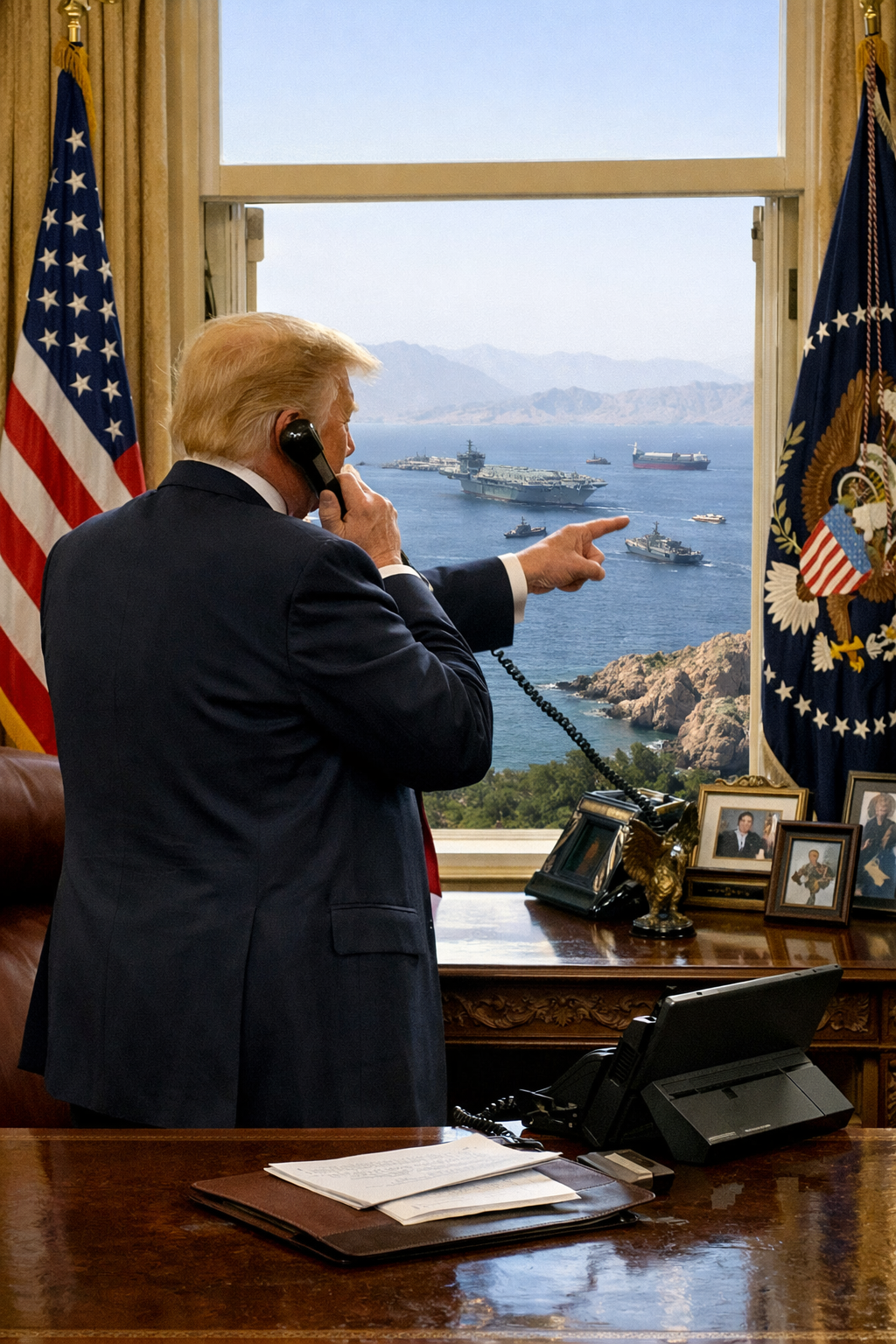
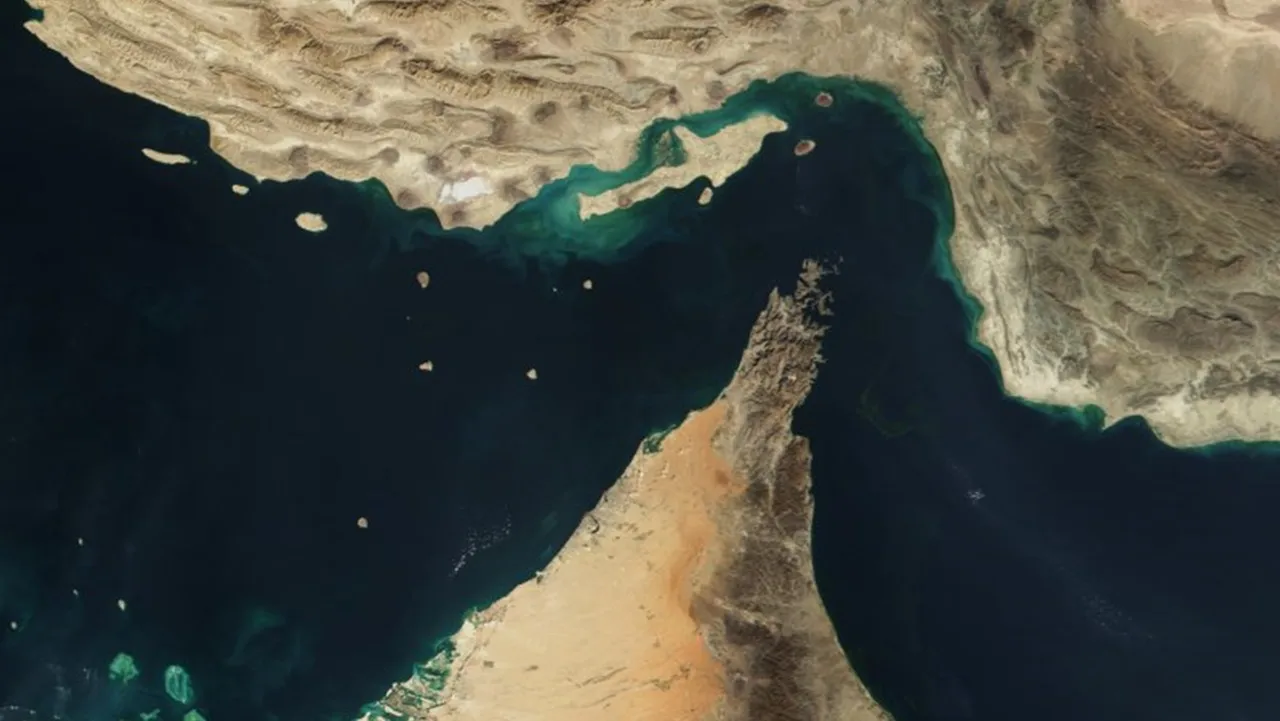
The strategic imperative for a robust Indian Navy is further highlighted by the ongoing volatility in the Middle East, particularly around the Strait of Hormuz. This narrow waterway, through which a significant portion of the world’s oil supply passes, has become a dangerous flashpoint in the escalating conflict between the United States and Iran.
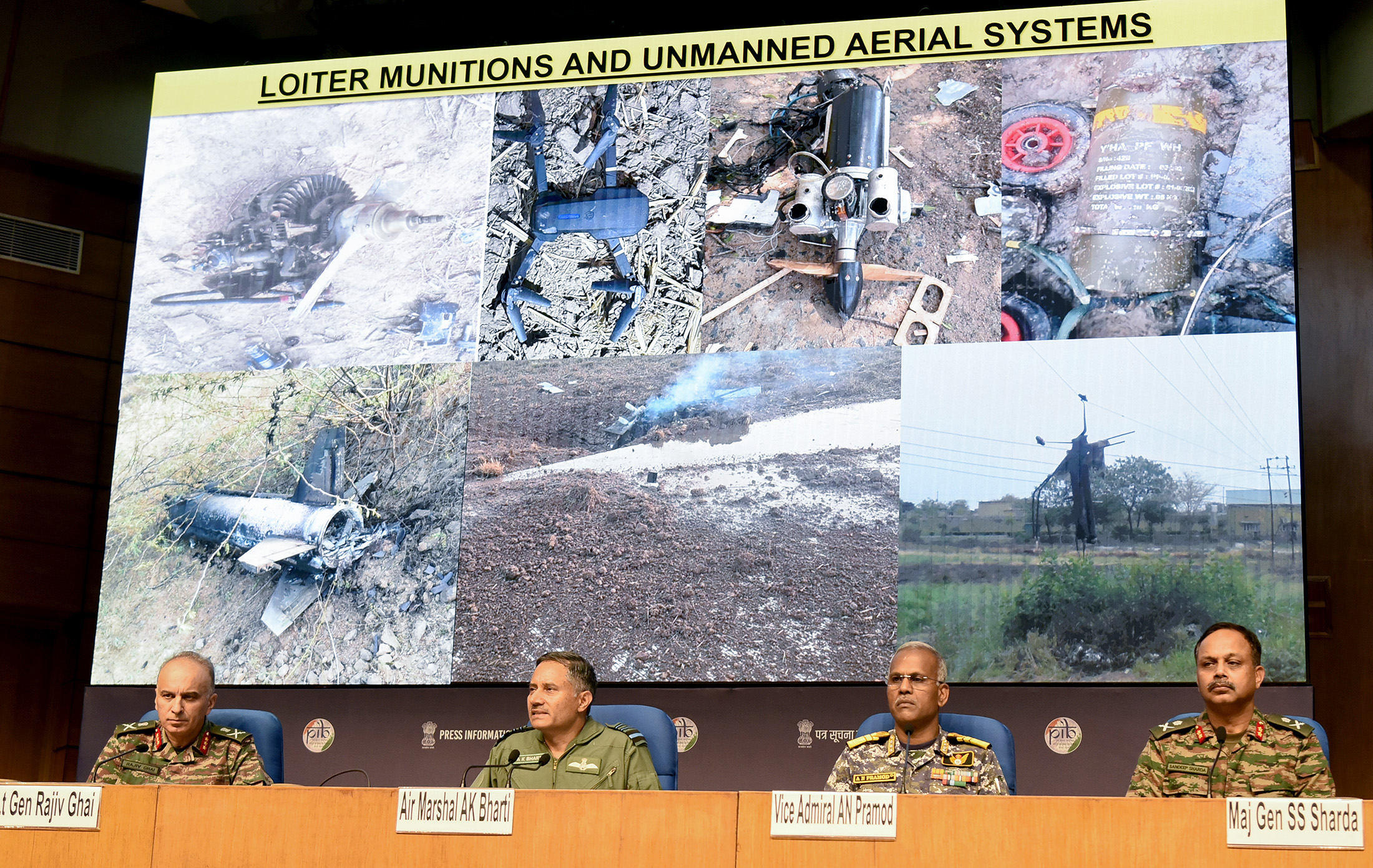
The vulnerability of commercial shipping in this region was tragically underscored in June 2026, when three Indian-crewed commercial vessels were struck near the Gulf of Oman, resulting in the deaths of at least three Indian sailors [15]. The incident sparked outrage in India and highlighted the severe risks faced by Indian seafarers caught in the crossfire of geopolitical conflicts. The situation was further complicated by conflicting narratives, with US President Donald Trump blaming Iranian drones, while the US Central Command (CENTCOM) acknowledged the use of American Hellfire missiles [16]. This tragedy followed an earlier, unprecedented escalation in March 2026, when a US submarine sank the Iranian frigate IRIS Dena using a torpedo in the Indian Ocean—the first such attack since World War II [17].
These incidents demonstrate the fragility of maritime security in the region and the urgent need for India to possess the capability to protect its citizens and commercial interests in international waters.
References
[1] Times of India. “INS Dunagiri: The stealth frigate built to fight across sea, air and undersea.” June 21, 2026. https://timesofindia.indiatimes.com/defence/news/ins-dunagiri-the-stealth-frigate-built-to-fight-across-sea-air-and-undersea/articleshow/131886648.cms [2] Naval News. “Indian Navy Commissions Nilgiri class Frigate, ASW Vessel and Survey Vessel.” June 24, 2026. https://www.navalnews.com/naval-news/2026/06/indian-navy-commissions-nilgiri-class-frigate-asw-vessel-and-survey-vessel/[3] Indian Navy Official Facebook Page. Project 17A Specifications. June 17, 2026.
[4] Times of India. “INS Dunagiri: The stealth frigate built to fight across sea, air and undersea.” June 21, 2026.
[5] Naval News. “Indian Navy Commissions Nilgiri class Frigate, ASW Vessel and Survey Vessel.” June 24, 2026.
[6] Times of India. “INS Dunagiri: The stealth frigate built to fight across sea, air and undersea.” June 21, 2026.
[7] Indian Navy Official Facebook Page. “Indian Navy Set for Historic Fleet Expansion in 2026!” June 8, 2026.
[8] Defense Learning Instagram. “Most Powerful Navies in the World 2026.” June 8, 2026.
[9] Defense Learning Instagram. “Most Powerful Navies in the World 2026.” June 8, 2026.
[10] The Telegraph/Yahoo News. “The three Indian warships designed to take on China.” June 22, 2026.https://www.yahoo.com/news/world/articles/three-indian-warships-designed-china-161310331.html[11] The Telegraph/Yahoo News. “The three Indian warships designed to take on China.” June 22, 2026.
[12] The Telegraph/Yahoo News. “The three Indian warships designed to take on China.” June 22, 2026.
[13] The Telegraph/Yahoo News. “The three Indian warships designed to take on China.” June 22, 2026.
[14] China Global South. “India’s Nicobar Islands Gambit Targets China’s Indian Ocean.” June 23, 2026.https://chinaglobalsouth.com/analysis/india-nicobar-islands-military-upgrade-china/ [15] India Today. “Indian-crewed ships: Trump counters Centcom’s Hellfire missiles with Iran drones.” June 12, 2026. https://www.indiatoday.in/world/story/us-israel-iran-war-strait-of-hormuz-american-forces-hellfire-missiles-indian-crews-trum-blames-iranian-drones-2925859-2026-06-12[16] India Today. “Indian-crewed ships: Trump counters Centcom’s Hellfire missiles with Iran drones.” June 12, 2026.
[17] TRT World Instagram. “On March 4, 2026, Pouria Darvishi, a crew member aboard Iran’s frigate IRIS Dena…” July 5, 2026.