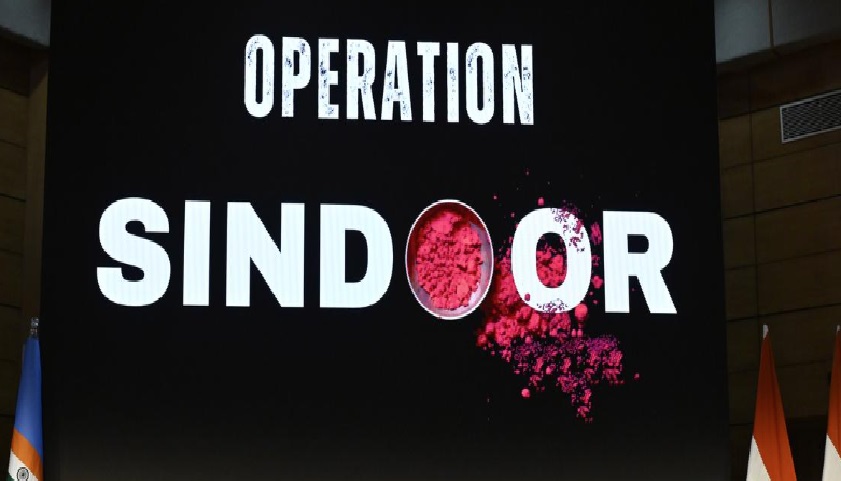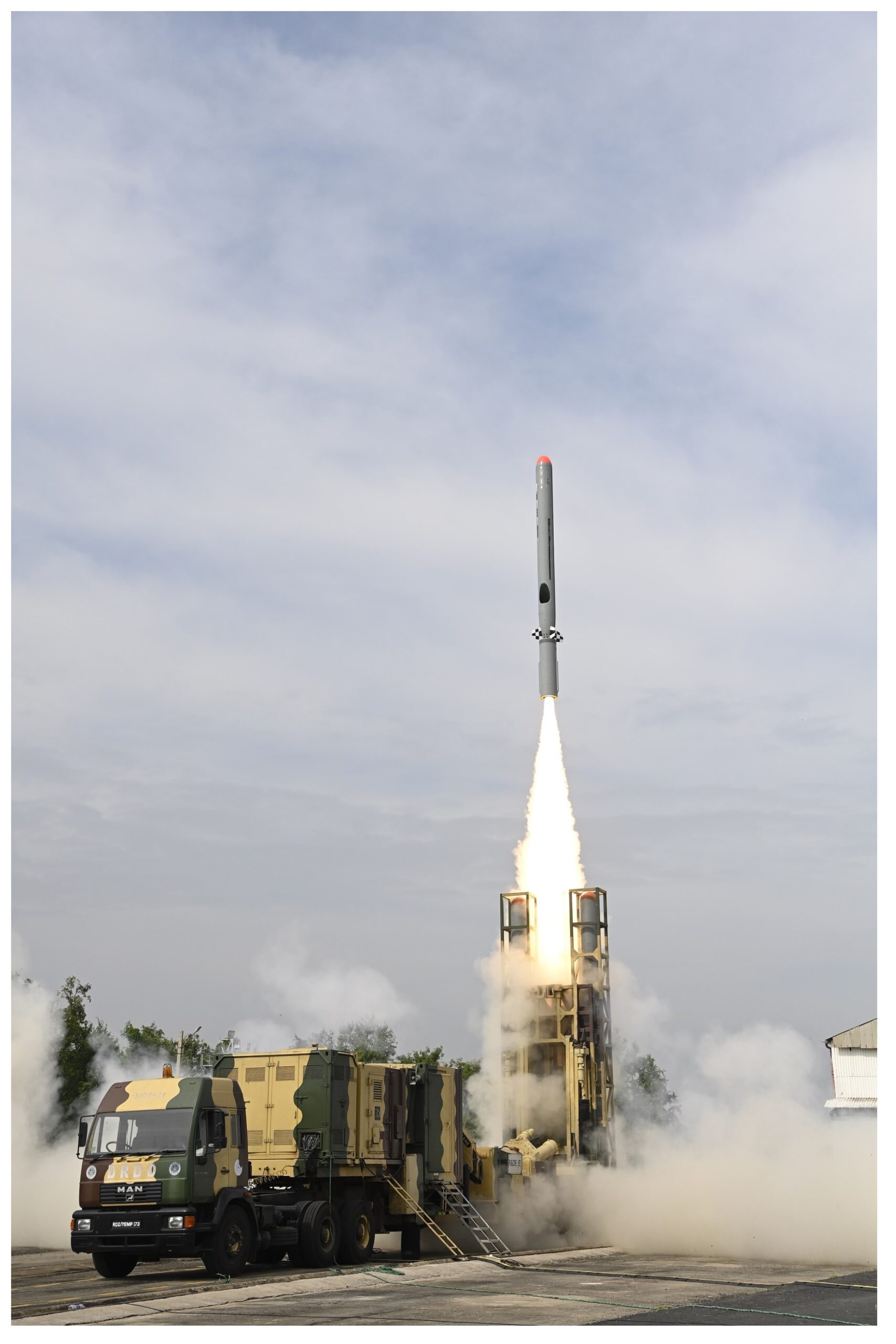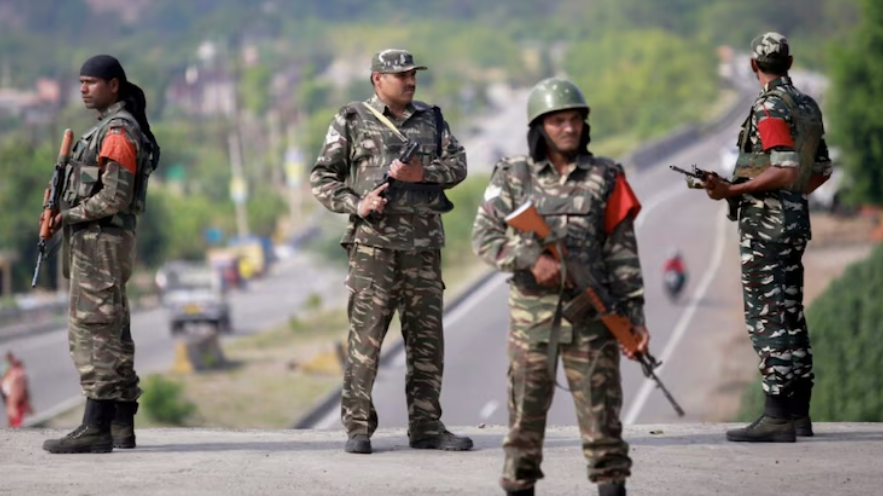
India’s first comprehensive national counter-terrorism policy and strategy Prahaar marks a significant shift in the nation’s approach to combating terrorism, moving from reactive measures to a structured, proactive, and unified security architecture. Prahaar aims to integrate various facets of counter-terrorism efforts, including intelligence, policing, diplomacy, technology, and community engagement, under a single strategic umbrella.
For decades, India has grappled with diverse forms of terrorism, from cross-border incursions to internal radicalization and the absence of a formally articulated national counter-terrorism policy often led to fragmented responses and coordination challenges among various agencies and states. Prahaar addresses this critical gap by providing a unified playbook that outlines clear priorities, responsibilities, and operating principles for all stakeholders involved in counter-terrorism efforts.
Core Components and Objectives of Prahaar
Clear Identification of Threats
The policy explicitly identifies a range of evolving terror threats. These include state-sponsored terrorism from across India’s borders, global jihadist organizations like Al-Qaeda and ISIS attempting to radicalize Indian youth, and the growing convergence between terror groups and organized crime syndicates for logistics, arms supply, and recruitment. Furthermore, Prahaar highlights the increasing use of emerging technologies such as drones, encrypted messaging platforms, dark web infrastructure, and crypto wallets by terror outfits to evade detection. It also flags the risks posed by Chemical, Biological, Radiological, Nuclear, Explosive, and Digital (CBRNED) materials, and the dual threat from state and non-state actors misusing advanced technologies for mass-casualty attacks.
Intelligence-First Doctrine
At the heart of Prahaar is an intelligence-guided prevention model. It designates the Multi-Agency Centre (MAC) and the Joint Task Force on Intelligence (JTFI) within the Intelligence Bureau as central nodes for real-time sharing of counter-terror inputs between central agencies and state police forces. The doctrine emphasizes proactive disruption, focusing on dismantling over-ground worker (OGW) networks, choking terror financing channels, and systematically disrupting online extremist ecosystems to prevent attacks before they occur.
Sharper Responses and Centralized Coordination
While local police remain the first responders, Prahaar outlines a tiered response architecture involving state special forces and central units. The National Security Guard (NSG) is designated as the nodal national counter-terror force for major attacks, with the National Investigation Agency (NIA) and state police entrusted with investigations and prosecution. The policy stresses standardized operating procedures and central coordination through MAC to avoid delays and ensure swift, effective responses. A key objective is to achieve high conviction rates to deter future strikes.
Human Rights and Legal Spine
In a significant assertion, Prahaar explicitly anchors counter-terror operations within human rights and rule-of-law frameworks. It reaffirms India’s constitutional guarantees, international commitments, and domestic legal safeguards. The Unlawful Activities (Prevention) Act (UAPA) remains the principal anti-terror law, complemented by newly enacted criminal codes. The policy underscores multiple levels of judicial oversight and access to legal redress, balancing security imperatives with civil liberties.
Counter-Radicalization and Social Resilience
Beyond kinetic action, Prahaar places unusual emphasis on counter-radicalization. It calls for early identification of vulnerable youth and graded police intervention, rather than automatic criminalization. Community leaders, religious figures, NGOs, and prison authorities are expected to play a crucial role in preventing extremist indoctrination. The policy also links terrorism prevention with developmental interventions, recognizing that poverty, unemployment, and lack of access to education can be exploited by extremist groups. Government welfare schemes and employment programs are framed as indirect but critical counter-terror tools.
International Push and Future Reforms
Recognizing terrorism as a transnational threat, Prahaar stresses international coordination through extradition treaties, Mutual Legal Assistance Treaties (MLATs), joint working groups, and intelligence-sharing arrangements. It reiterates India’s push for international terrorist designations at the United Nations. The policy also acknowledges existing gaps in capacity and coordination, calling for uniform counter-terror structures across states, continuous legal reform, and deeper integration of legal experts from the outset of terror investigations.
Prahaar marks a pivotal moment in India’s fight against terrorism. By providing a comprehensive, integrated, and legally sound framework, it aims to enhance India’s capacity to prevent, respond to, and recover from terror threats. Its focus on intelligence-led prevention, centralized coordination, human rights safeguards, counter-radicalization, and international cooperation positions India to effectively address the complex and evolving landscape of global terrorism.
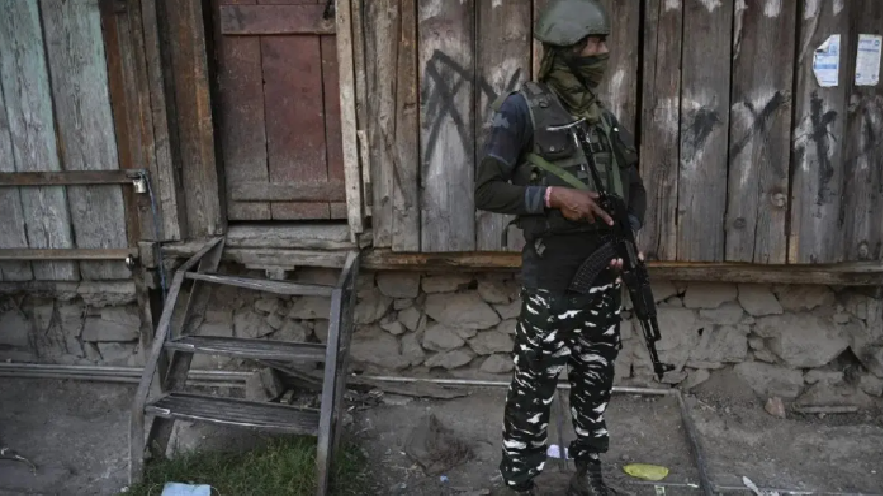
Comparative Analysis of Prahaar and International Counter-Terrorism Frameworks
The nation’s first anti-terror policy marks a significant evolution in its approach to counter-terrorism, aiming for a comprehensive and integrated strategy. To understand its unique contributions and positioning, it is beneficial to compare Prahaar with established counter-terrorism frameworks from other nations, such as the United States and the United Kingdom.
United Kingdom’s CONTEST Strategy
The UK’s CONTEST strategy, established in 2003 and updated periodically (most recently in 2023), aims to reduce the risk from terrorism to the UK, its citizens, and interests overseas. It is structured around four key pillars, often referred to as the **4 Ps.
Prevent: To stop people from becoming terrorists or supporting terrorism. This involves tackling the causes of radicalization and addressing extremist ideologies.
Pursue: To stop terrorist attacks from happening. This includes intelligence gathering, investigation, and disruption of terrorist plots and networks.
Protect: To strengthen protection against a terrorist attack. This involves securing borders, critical infrastructure, and public spaces.
Prepare: To minimize the impact of a terrorist attack. This focuses on emergency response, recovery, and building resilience within communities.
CONTEST emphasizes a whole-of-society approach, involving government agencies, local authorities, communities, and the private sector. It has evolved to address changing threats, including online radicalization and the rise of diverse extremist ideologies.
United States National Strategy for Counterterrorism
The United States has a long-standing and evolving national strategy for counterterrorism, often articulated through various administrations. While specific documents may vary, common themes and objectives include:
Protecting the Homeland: Prioritizing the safety and security of American citizens and critical infrastructure from terrorist attacks.
Disrupting Terrorist Networks: Actively targeting and dismantling terrorist organizations, their leadership, and their support structures globally.
Countering Violent Extremism (CVE): Addressing the ideological roots of terrorism and preventing radicalization, both domestically and internationally.
Strengthening Partnerships: Collaborating with international allies and partners through intelligence sharing, law enforcement cooperation, and capacity building to combat terrorism worldwide.
Adapting to Evolving Threats: Continuously assessing and responding to new and emerging terrorist threats, including those posed by foreign terrorist organizations, homegrown violent extremists, and the misuse of technology.
The US strategy often leverages a wide array of instruments of national power, including diplomatic, economic, law enforcement, intelligence, and military tools .
Israel’s Counter-Terrorism Approach
Israel operates in a unique and challenging security environment, leading to a highly developed and often proactive counter-terrorism doctrine. While not always formally articulated in a single public document, Israel’s approach is characterized by several key principles:
Deterrence: Maintaining a strong military and intelligence capability to deter potential attackers and retaliate decisively against those who carry out attacks.
Prevention and Preemption: Employing extensive intelligence gathering, surveillance, and covert operations to prevent attacks before they occur, often involving preemptive strikes against terrorist infrastructure and operatives.
Active Defense: Implementing robust physical security measures, border control, and rapid response capabilities to mitigate the impact of attacks.
Resilience: Fostering societal resilience and preparedness to cope with the psychological and physical aftermath of terrorist incidents.
Legal and Ethical Frameworks: Operating within a legal framework that balances security needs with democratic values, though often subject to international scrutiny.
Israel’s strategy is deeply integrated with its national security doctrine, emphasizing continuous adaptation and a multi-faceted response to persistent threats.
While each nation’s counter-terrorism strategy is uniquely shaped by its geopolitical context, historical experiences, and threat perceptions, several common threads emerge. All four frameworks—Prahaar, CONTEST, the US National Strategy, and Israel’s approach—underscore the importance of intelligence-led prevention, robust response mechanisms, and international cooperation.
However, differences lie in their emphasis on specific aspects, such as Prahaar’s explicit focus on the terror-crime nexus and CBRNED threats, CONTEST’s structured four-pillar structure, the US strategy’s global reach, and Israel’s proactive deterrence and preemption.
Prahaar, as a newly articulated policy, integrates lessons learned from global experiences while tailoring its approach to India’s specific security challenges, particularly the emphasis on a
whole-of-government and whole-of-society model.
References:
NDTV. (2026, February 23). India’s New Policy ‘Prahaar’ To Bring Down The Hammer On Terror. https://www.ndtv.com/india-news/indias-new-counter-terrorism-policy-prahaar-to-bring-down-the-hammer-on-terror-11125142
ET Online. (2026, February 24). Decoding PRAHAAR: How the new policy plans to fight terrorism – The Economic Times. https://economictimes.indiatimes.com/news/defence/decoding-prahaar-how-the-new-policy-plans-to-fight-terrorism/articleshow/128741541.cms?from=mdr
GOV.UK. (2023, July 18). Counter-terrorism strategy (CONTEST) 2023. https://www.gov.uk/government/publications/counter-terrorism-strategy-contest-2023
Office of the Director of National Intelligence. White House Releases National Strategy for Counterterrorism. https://www.dni.gov/index.php/nctc-features/2622-white-house-releases-national-strategy-for-counterterrorism
INSS. Israel’s National Security Doctrine. https://www.inss.org.il/wp-content/uploads/2019/02/Memo187_11.pdf